Magnesium Alloys for Aerospace and Unmanned Systems
Project-level material and process review for machined parts, sheet enclosures, extruded structures and lightweight components
Magnesium alloys can be evaluated as lightweight structural-material candidates for aerospace, unmanned-system and ground-equipment projects. Selection must address load, stiffness, fatigue, corrosion protection, joining, flammability and applicable approval requirements—not density alone.
How are magnesium alloys evaluated for aerospace projects?
Magnesium alloys have low density and are available as plate, sheet, extrusions and die-cast components. These forms can make them candidates for aerospace, unmanned-system, airborne-equipment and ground-support applications.
A candidate material is not a drop-in replacement. Each project must evaluate load path, stiffness, fatigue, vibration, corrosion environment, surface protection, joining, flammability and the applicable customer or regulatory specification.
Typical discussion areas include:
- avionics and instrument enclosures;
- unmanned-system brackets, frames and structural parts;
- low-volume complex parts machined from thick or medium plate;
- formed sheet covers, housings and non-primary structures;
- extruded frames, rails and custom profiles;
- aerospace tooling, fixtures and ground-support equipment.
Suitability for a specific part must be established through the customer's drawings, engineering analysis, testing and approval process.
Which product form fits the project?
| Product form | Typical review focus |
|---|---|
| Thick and medium plate | Alloy, temper, thickness, flatness, internal quality and machining allowance |
| Rolled thin sheet | Thickness, tolerance, surface, forming direction and subsequent protection |
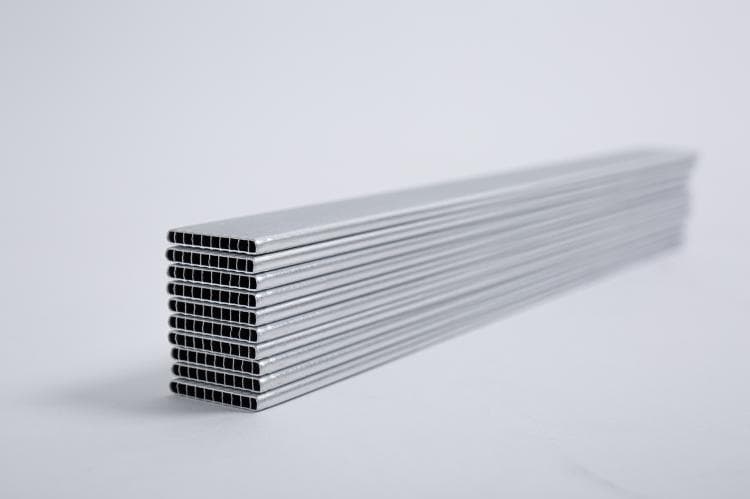
| Extruded profiles | Cross-section, wall thickness, straightness, length, tolerance and tooling review |
| Die-cast components | Geometry, wall thickness, die, defect control, machining and finishing |
| Welding wire | Base-material compatibility, procedure qualification, joint design and inspection |
The product form should be selected backward from the finished component, production volume, manufacturing route and validation plan.
Project inputs and validation boundary
Before requesting material, define:
- component function, load, stiffness, fatigue and vibration conditions;
- target alloy, temper and applicable customer or industry specification;
- dimensions, tolerances, surface, internal-quality and sampling requirements;
- temperature, humidity, salt or other corrosion exposure;
- machining, forming, welding, fastening and dissimilar-material joining;
- coating, conversion treatment, sealing and galvanic-corrosion control;
- volume, first article, samples, inspection documents and traceability.
Matrix Mg can review product form and sourcing feasibility within the confirmed product range. It does not replace the customer's structural design, airworthiness approval or other regulated certification, and it does not infer performance where operating conditions are incomplete.
Recommended sourcing workflow
- Submit drawings and specifications: Include drawing revision, material specification, alloy, temper and critical characteristics.
- Confirm the product route: Compare plate, sheet, extrusion or die-casting routes and machining allowance.
- Define validation requirements: State material, dimensional, visual, nondestructive or project-specific inspection.
- Review protection and joining: Confirm finishing, fastening, welding and isolation from dissimilar metals.
- Plan samples and production: Once the technical boundary is clear, review minimum order, samples, lead time and quotation.
RFQ checklist
- application and component name;
- drawings, 3D data and revision;
- alloy, temper, product form and applicable specification;
- dimensions, tolerances, quantity and annual demand;
- critical properties, inspection, documentation and traceability;
- finishing, packaging, delivery plan and acceptance location.
Frequently asked questions
Can magnesium directly replace aerospace aluminum?
Not as a general rule. Density, stiffness, strength, fatigue, corrosion protection, joining and manufacturing routes differ. The component must be redesigned or validated for the selected material.
What documentation may an aerospace project require?
Requirements depend on the customer specification. Material certificates, inspection records, lot traceability, first-article documentation or additional tests may be requested, but the supply scope must be agreed in writing before order acceptance.
Can custom extrusion profiles be supplied from drawings?
Cross-section, wall thickness, length, tolerances and expected volume can be submitted for tooling and manufacturability review. Final supply follows the confirmed drawing and commercial conditions.
Does this page guarantee airworthiness or defense qualifications?
No. Required approvals, qualifications, special processes and supply-chain conditions must be stated by the customer and verified before any commitment.
How do we begin a material review?
Review magnesium extruded profiles, magnesium thick plate and rolled thin sheet, then submit drawings, specifications, volume and validation requirements through the contact page.