Manufacturing Routes and Supply Capability Planning
Define the magnesium-alloy product route, process scope, inspection, quantity and delivery assumptions for each order
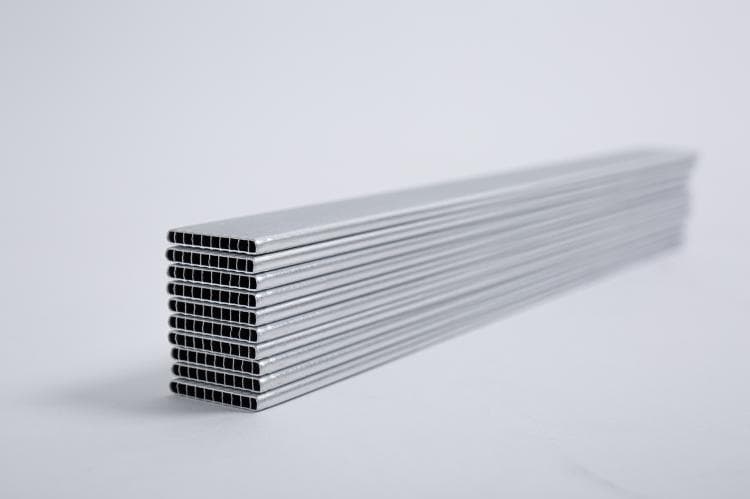
A transparent framework for reviewing magnesium plate, sheet, extrusion, die-cast parts, welding wire and sacrificial-anode supply routes without relying on unverified facility or capacity claims.
Manufacturing capability should be defined by an order, not a generic factory claim
A sourcing decision needs more than photos of equipment. Buyers need to know whether a specific magnesium-alloy product, size, quantity, tolerance, secondary process, inspection requirement and delivery schedule can be supported.
This page explains how Matrix Mg reviews manufacturing routes and supply scope. It does not claim ownership of every process, machine or facility mentioned, and it does not publish unverified capacity figures. The confirmed quotation, drawing review and order define the actual production and supply scope.
Product and route overview
| Required product | Route to review | Important order inputs |
|---|---|---|
| Thick or medium plate | Cast and rolled plate supply, cutting and machining as specified | Alloy, temper, thickness, width, length, flatness, stock and inspection |
| Rolled sheet | Sheet supply, cutting, forming and protection as specified | Thickness, tolerance, coil or sheet form, surface, flatness and quantity |
| Extrusion | Profile design, die route, straightening, cutting and secondary work | Section, wall thickness, tolerances, length, alloy, volume and finishing |
| Die-cast part | Tooling, casting, trimming, machining, finishing and inspection route | Released geometry, alloy, draft, wall thickness, inserts, appearance and volume |
| Welding wire | Wire specification, diameter, spool and packing requirements | Base material, wire designation, diameter, quantity and required records |
| Sacrificial anode | Alloy, geometry, insert, casting and project-document route | Drawing, weight, insert, standard, quantity, packaging and system responsibility |
A route is selected against the final drawing and commercial volume. Product-form availability alone does not establish part manufacturability.
What determines supply capability?
Material definition
State the magnesium alloy, temper, product form and applicable specification. If alternatives are permitted, define which performance and dimensional requirements cannot change.
Dimensional range
Provide thickness, width, length, section, wall thickness, finished-part geometry and tolerances. Mark critical features rather than applying the tightest tolerance to every dimension.
Quantity and production stage
Separate sample, pilot, first-article and production quantities. A route that is practical for a prototype may not be the preferred route for annual production, and vice versa.
Secondary operations
List cutting, machining, drilling, forming, joining, inserts, heat treatment, surface protection, coating, marking and assembly that must be included or excluded.
Inspection and documents
Define dimensions, appearance, sampling, records, material documentation, third-party requirements, packing labels and release criteria.
Delivery and logistics
State destination, Incoterms when applicable, packaging constraints, requested date, split shipments and any storage or transport risks.
Route selection by project stage
Early concept
Compare product forms and identify missing inputs. Use target geometry, performance, expected volume and service conditions to narrow the route, without treating the result as a released design.
Prototype
Confirm available stock or sample route, machining allowance, temporary tooling, inspection points and what the sample is intended to validate.
Pre-production
Freeze the drawing revision, review tooling and secondary operations, define first-article or approval records, and agree on change control.
Production order
Confirm order quantity, lot definition, release records, packaging, shipping plan, deviations and responsibility for ongoing changes.
Questions buyers should ask about a manufacturing route
- Which product form and process sequence is included in the quotation?
- Which operations are performed within the confirmed supply chain?
- What drawing revision and specification control the order?
- Which dimensions and characteristics are critical?
- Are tooling, fixtures, samples or first-article approval required?
- Which inspection and shipment documents are included?
- What quantity, packaging and delivery assumptions support the quote?
- Which steps or approvals remain the customer’s responsibility?
These questions are more reliable than assuming capability from a broad “full-service factory” statement.
Capacity and lead-time transparency
Capacity and lead time depend on alloy, dimensions, route, tool status, secondary processing, inspection, quantity, current scheduling and delivery location. Matrix Mg does not publish a universal capacity or lead-time promise on this page. Current availability, minimum order considerations, tooling needs and schedule are confirmed in the quotation.
Process and supplier responsibility boundaries
A project can involve multiple stages and qualified supply-chain participants. The order should identify the confirmed seller, product, process scope, subcontracted or third-party activities when disclosure is required, inspection responsibility and document issuer.
Customer responsibilities normally include final part design, product suitability, regulatory approval, assembly validation and testing under actual service conditions. Any special-process approval, source restriction or customer-approved supplier requirement must be stated before order.
RFQ checklist for route and supply review
- controlled drawings and 3D data;
- alloy, temper, product form and specification;
- dimensions, tolerances, datums and critical characteristics;
- sample, pilot and annual quantities;
- required tooling and secondary operations;
- surface, appearance, joining and assembly needs;
- inspection, records, certification or third-party requirements;
- packaging, destination, Incoterms and requested schedule;
- approval, deviation and engineering-change contacts.
Frequently asked questions
Does this page list Matrix Mg-owned equipment?
No. It explains manufacturing and supply-route review. Specific equipment, facility, capacity and process ownership should be confirmed from project evidence when relevant.
Can a complete finished part be quoted?
Finished-part scope can be evaluated when the drawing, process sequence, surface, inspection, assembly and volume are defined. Inclusion is confirmed in the quotation.
How is the route selected between plate machining, extrusion and die casting?
Selection depends on geometry, material condition, wall thickness, tolerance, quantity, tooling, secondary work, validation and cost. No single route is best for every part.
Can current capacity and lead time be reserved?
Capacity is only reserved through the applicable commercial process and confirmed order. Submit the quantity, route and delivery requirement for a current review.
How do I request a manufacturing-route review?
Browse the magnesium-alloy products and project review scenarios, then submit the drawing and RFQ checklist through the contact page.