Magnesium Alloy Project Review Scenarios
Illustrative RFQ workflows for plate, sheet, extrusion, die-cast parts and sacrificial-anode sourcing
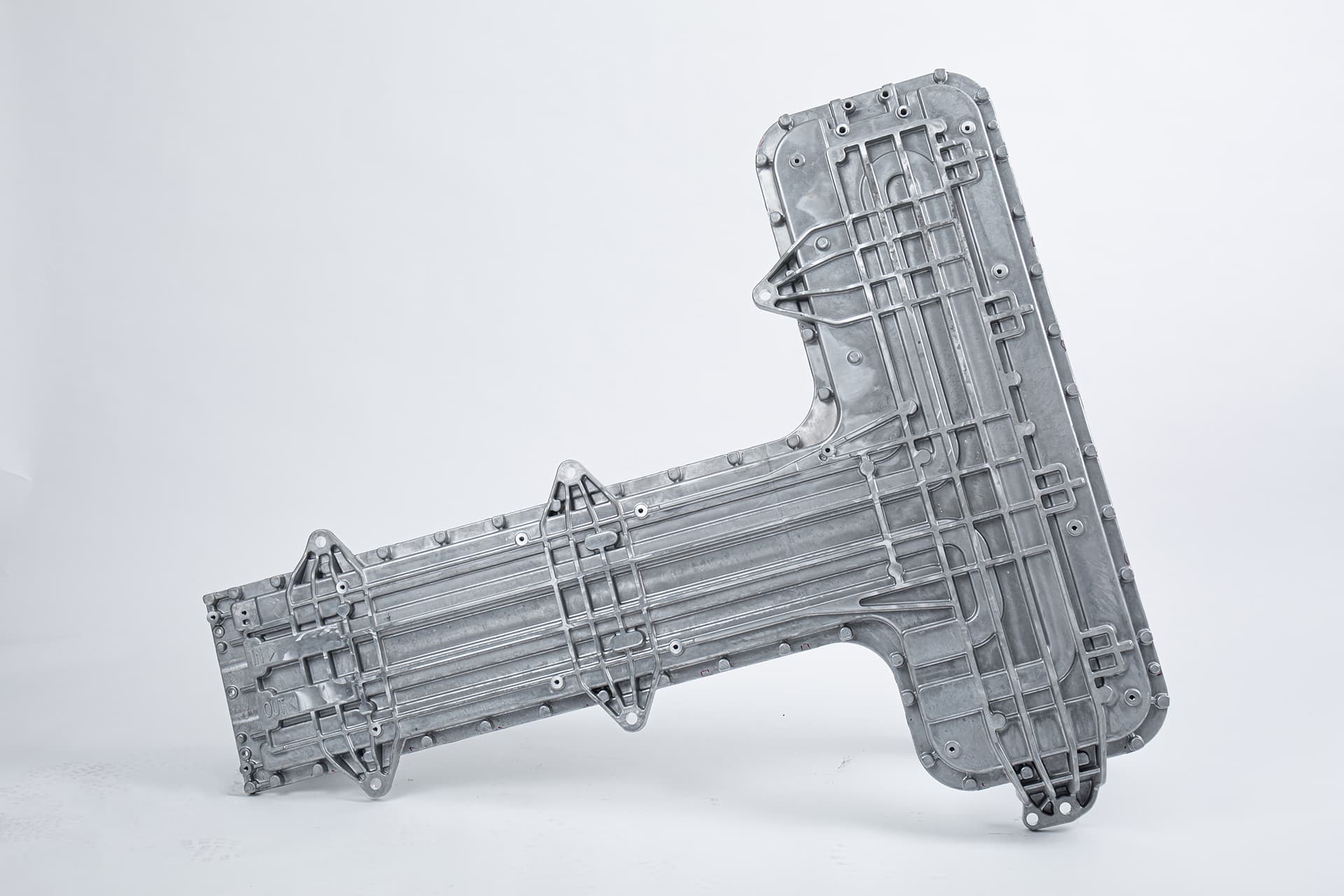
Transparent, non-client-specific examples showing how magnesium-alloy drawings, specifications, volumes, inspections and approval steps can be organized into an order-ready RFQ.
How to use these project review scenarios
The scenarios below show how a magnesium-alloy RFQ can be organized from initial requirements to an order-ready technical package. They are illustrative workflows, not named customer case studies, endorsements or claims of achieved performance. Actual feasibility, supply scope, documents, cost and schedule are confirmed only after review of the buyer’s drawings and specifications.
Scenario 1: machined plate for a structural prototype
Starting point
A buyer is comparing a magnesium-alloy plate concept with an existing heavier component. The project is at prototype stage and the final geometry, loading and protection system still need validation.
Useful RFQ inputs
- 2D drawing and 3D model with revision numbers;
- proposed alloy, temper and plate thickness, or permission to review alternatives;
- critical dimensions, datums, flatness and machining allowance;
- load cases, stiffness targets, temperature and environment;
- required material records, dimensional checks and packaging;
- prototype quantity and target delivery window.
Review questions
The review separates material selection from part validation. It checks whether plate thickness, machining stock, geometry, fastening, galvanic isolation, surface protection and inspection criteria are defined well enough to quote. Final part performance remains subject to customer testing.
Scenario 2: lightweight electronic enclosure
Starting point
A device team wants to compare rolled sheet, extrusion and die casting for an enclosure or internal frame. Weight matters, but impact, stiffness, heat, grounding, corrosion protection and cosmetic finish also affect the route.
Useful RFQ inputs
- envelope dimensions, wall-thickness targets and assembly interfaces;
- annual volume and prototype quantity;
- impact, drop, thermal and electromagnetic requirements;
- fasteners, inserts, grounding points and dissimilar-metal contacts;
- cosmetic class, coating, color and allowable surface limits;
- tooling budget, inspection plan and approval milestones.
Review questions
The sourcing review compares prototype and production routes without assuming that the lowest-density material is automatically the best design. Tooling, machining, finishing, dimensional capability, assembly and validation requirements must be reviewed together.
Scenario 3: custom extrusion for an equipment frame
Starting point
A buyer is considering a magnesium extrusion for a rail, housing, beam or equipment frame and needs to translate a functional section into a manufacturable RFQ.
Useful RFQ inputs
- section drawing with wall thickness, radii and critical dimensions;
- alloy or performance requirements;
- straightness, twist, length and cut-to-length tolerances;
- machining, drilling, inserts, joining and finishing needs;
- sample length, order quantity and annual demand;
- packing method and transport protection.
Review questions
The review identifies critical profile features, tolerance priorities, secondary operations, inspection methods and whether the proposed quantity supports the route. Final die design and manufacturability are confirmed against the approved section data.
Scenario 4: die-cast housing moving toward production
Starting point
A part has progressed beyond an early concept and the team is evaluating die casting for a suitable production volume.
Useful RFQ inputs
- released geometry and drawing revision;
- alloy, wall thickness, draft, ribs, bosses and inserts;
- pressure-tightness or leak criteria when applicable;
- machining, coating, appearance and assembly requirements;
- sample, first-article and production approval stages;
- expected volume, service life and delivery plan.
Review questions
The review distinguishes tooling decisions from part acceptance. It covers drawing readiness, tooling assumptions, defect and appearance limits, secondary processing, measurement points, sample approval and change control. No production capability or result is implied until the specific package is confirmed.
Scenario 5: sacrificial-anode order definition
Starting point
A cathodic-protection project needs a magnesium sacrificial-anode quotation, but the required geometry, insert, composition, test documents and design responsibility must be separated clearly.
Useful RFQ inputs
- anode drawing, dimensions, weight and insert details;
- specified alloy or project standard;
- quantity, installation environment and packaging;
- requested material, inspection or third-party documents;
- responsibility for cathodic-protection system design and validation;
- delivery location and schedule.
Review questions
The order review confirms the supplied item and documents. The customer or its corrosion engineer remains responsible for system design, current demand, anode quantity, placement, service life and regulatory approval.
What a complete project package should produce
A well-prepared review should result in a controlled set of commercial and technical inputs:
- confirmed drawing and specification revisions;
- selected product and manufacturing route;
- clarified dimensions, surfaces, interfaces and protection requirements;
- defined inspection, sampling, records and acceptance criteria;
- agreed sample or approval milestones;
- documented deviations and change-control contacts;
- confirmed quantity, packaging, destination and schedule.
Frequently asked questions
Are these examples evidence of customer projects?
No. They are transparent, illustrative RFQ scenarios. They do not identify a customer, disclose confidential work or claim a result.
Can Matrix Mg publish a named customer case?
Only with verifiable project evidence and permission to publish the customer identity, scope and approved results. Until then, a named endorsement should not be inferred.
Which scenario should I use?
Choose the closest product route, then add your actual drawing, specification, volume, service conditions and acceptance requirements. A real quotation depends on project-specific inputs.
Can performance targets be guaranteed from these examples?
No. Performance targets require design review, confirmed material and process scope, and validation under the actual service conditions.
Where can I send the project package?
Review the magnesium-alloy product portfolio and relevant application pages, then submit the controlled RFQ package through the contact page.