Magnesium Alloys for Industrial Tools, Fixtures and Equipment
Product-form and sourcing review for portable-tool housings, jigs, fixtures, frames and machined components
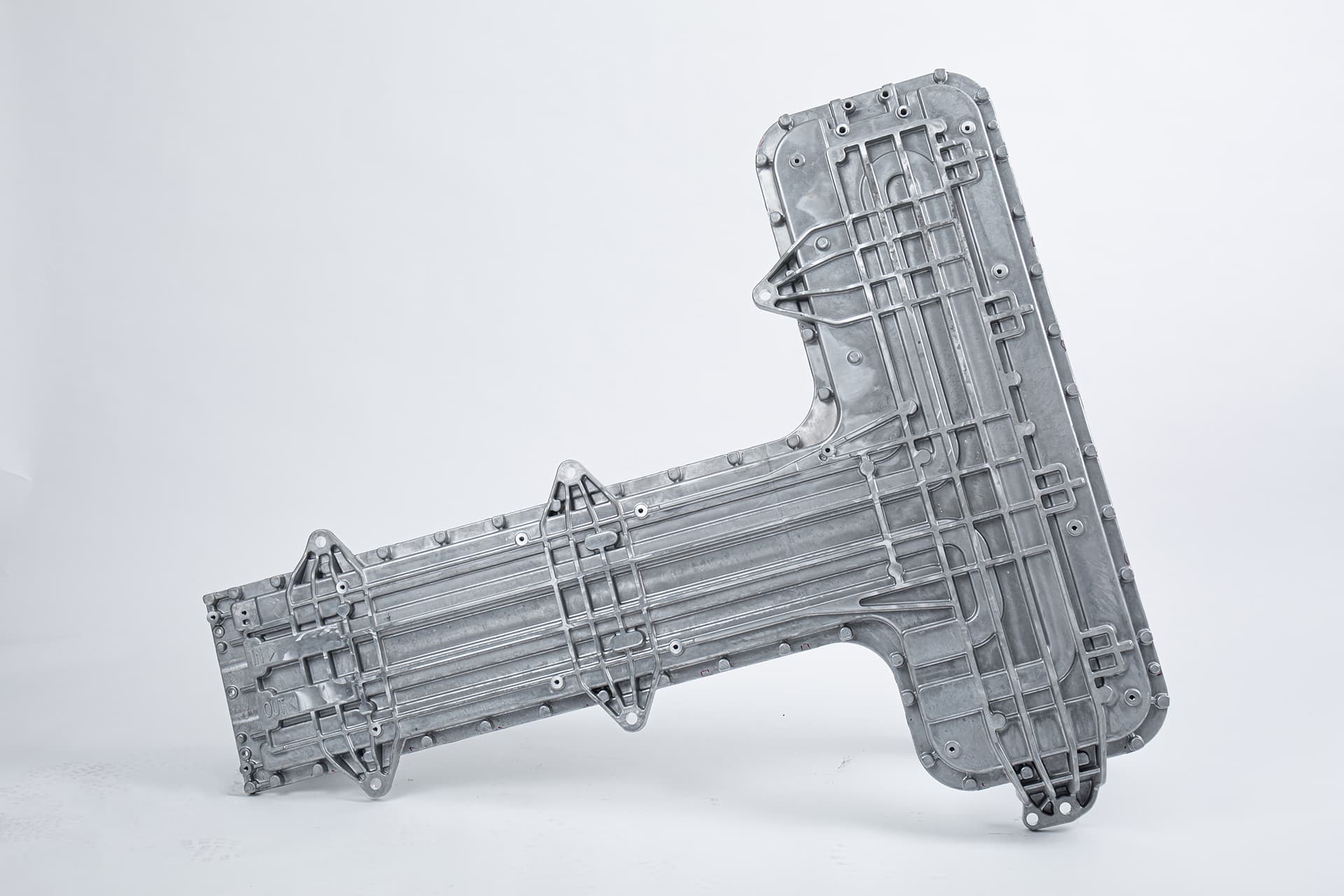
Magnesium plate, sheet, extrusions and die-cast components can be evaluated where lower component mass supports handling or equipment design. Selection must still address stiffness, impact, wear, temperature, corrosion protection, fastening and production volume.
Where are magnesium alloys evaluated in industrial tools?
Magnesium alloys can be evaluated for industrial-tool, fixture and equipment components where lower mass may support handling, mobility or system design. The benefit must be assessed at component level together with stiffness, impact, wear, temperature, corrosion and joining requirements.
Typical sourcing discussions may include:
- portable power-tool and instrument housings;
- jigs, fixtures and inspection-equipment components;
- machined plates, brackets and low-volume complex parts;
- equipment frames, rails and custom extruded profiles;
- guards, covers and formed sheet components;
- die-cast housings and structural components for suitable volumes.
Magnesium is not automatically appropriate for every tool. Contact surfaces, threads, wear points, thermal exposure and misuse conditions require explicit engineering review.
Which product form fits the manufacturing route?
| Product form | Typical review focus |
|---|---|
| Thick or medium plate | Alloy, temper, dimensions, flatness, machining allowance and stability |
| Rolled thin sheet | Thickness, tolerance, forming, seams, surface and protective finish |
| Extruded profiles | Cross-section, wall thickness, straightness, cut length and machining |
| Die-cast components | Geometry, wall thickness, tooling, defect control, inserts and coating |
| Welding wire | Base alloy, joint design, procedure qualification and inspection |
The product route should follow the finished-part drawing, demand, tolerance, tooling budget and assembly plan.
Industrial-service design inputs
Before material selection, define:
- component function, load, stiffness, impact and drop conditions;
- duty cycle, operating temperature and nearby heat sources;
- wear, abrasion, contact pressure and replaceable-interface needs;
- oils, coolants, cleaning chemicals, humidity and corrosion exposure;
- threaded joints, inserts, bearings, fasteners and dissimilar-metal contact;
- electrical grounding, shielding, fire and workplace-safety requirements;
- coating, conversion treatment, sealing, color and cosmetic limits;
- prototype, annual demand, tooling, inspection and traceability.
Where threads or wear surfaces carry repeated load, the design may require inserts, bushings, replaceable interfaces or another material solution. These decisions belong in the part design and validation plan.
Recommended sourcing workflow
- Define the duty: Submit the component function, load cases, environment and expected service cycle.
- Select the product route: Compare machined plate, formed sheet, extrusion and die casting.
- Review interfaces: Confirm threads, inserts, bearings, fasteners, grounding and dissimilar-metal isolation.
- Agree protection and inspection: State finish, dimensions, material checks, appearance and documentation.
- Plan samples and production: Confirm prototypes, tooling if required, quantity, packaging, lead time and quotation.
RFQ checklist
- tool or equipment application;
- 2D drawings, 3D data and revision;
- alloy, temper, product form and specification;
- dimensions, tolerances, machining allowance and surface finish;
- load, impact, wear, temperature and chemical exposure;
- threads, inserts, joining and assembly requirements;
- sample quantity, annual demand, inspection and delivery schedule.
Frequently asked questions
Does lower density automatically make a better tool component?
No. Lower mass may help handling or mobility, but stiffness, strength, impact, wear, temperature and assembly performance must meet the actual duty.
Can threads be machined directly into magnesium parts?
Thread design depends on alloy, engagement, load and service cycles. Inserts or other reinforced interfaces may be appropriate for repeated or higher loads and should be specified on the drawing.
When is die casting considered instead of machined plate?
Machined plate can suit prototypes and lower-volume parts, while die casting may suit suitable higher-volume geometries. Tooling cost, wall thickness, tolerances, machining and finish must be compared.
How should oils and cleaning chemicals be reviewed?
Provide the actual fluids, concentrations, temperature and exposure duration. The customer should validate the selected alloy, finish, sealing and assembly under those conditions.
How do we request a material and process review?
Review magnesium thick plate, hot-rolled medium plate, extruded profiles and die-cast components, then submit drawings and service conditions through the contact page.