Magnesium Alloys for Medical Equipment and Device Housings
Material-form and sourcing review for equipment enclosures, frames, arms, brackets and precision components
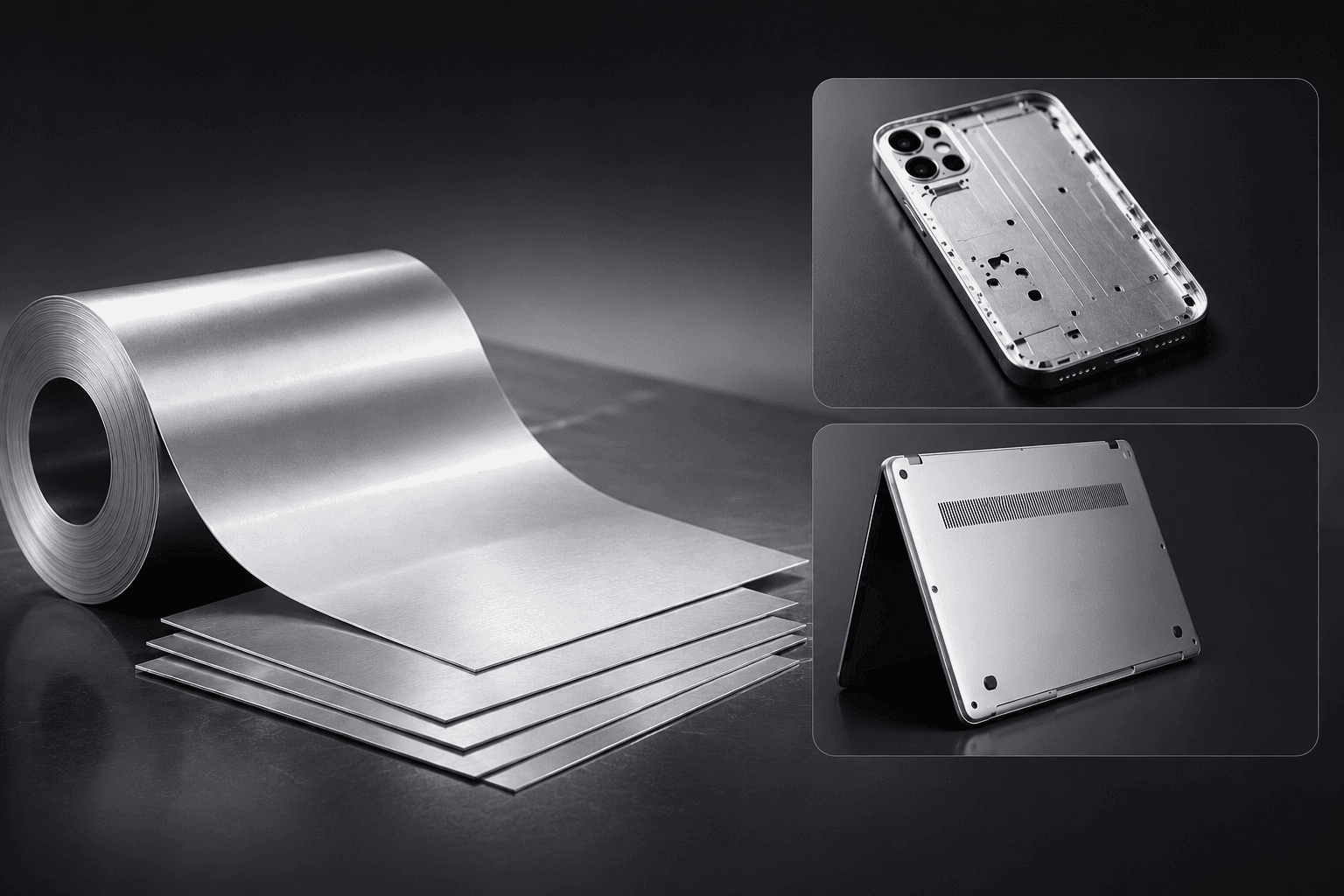
Magnesium plate, sheet, extrusions and die-cast components can be evaluated for lightweight medical-equipment structures and housings. Each project must confirm cleaning exposure, corrosion protection, fire behavior, grounding, traceability and applicable regulatory requirements.
Where can magnesium alloys be evaluated in medical equipment?
Magnesium alloys can be evaluated for lightweight housings, frames and support components used in medical and laboratory equipment. The product form and manufacturing route must be selected from the component geometry, volume, environment and verification plan.
Typical sourcing discussions may include:
- diagnostic and analytical-equipment enclosures;
- control-unit, display and electronics housings;
- equipment frames, support arms, brackets and mobile structures;
- machined precision components made from plate;
- custom extruded rails, frames and profiles;
- die-cast housings for suitable production volumes.
This page concerns equipment structures and housings. It does not claim suitability for implants, direct biological contact or a particular regulated device without project-specific material, safety and regulatory validation.
Which product form should be reviewed?
| Product form | Typical review focus |
|---|---|
| Rolled thin sheet | Thickness, flatness, surface, forming, seams and protective finish |
| Extruded profiles | Cross-section, wall thickness, straightness, cut length and machining |
| Thick or medium plate | Alloy, temper, machining allowance, flatness and dimensional stability |
| Die-cast components | Geometry, wall thickness, tooling, defect control, machining and coating |
| Welding wire | Base-material compatibility, joint design, procedure qualification and inspection |
The right route depends on the finished-part drawing, quantity, tolerance, cosmetic requirements and assembly method.
Medical-equipment project inputs
Before material selection or quotation, clarify:
- equipment function and regulatory classification;
- whether the component has patient, operator or biological contact;
- mechanical load, stiffness, impact, vibration and service-life requirements;
- cleaning agents, disinfectants, humidity, temperature and corrosion exposure;
- fire, electrical grounding, electromagnetic and thermal-management requirements;
- coating, conversion treatment, sealing and cosmetic finish;
- fastening, adhesive bonding, welding and dissimilar-metal isolation;
- lot traceability, inspection, documentation and change-control requirements.
A light material is only useful when the full component meets mechanical, environmental, electrical and regulatory needs.
Compliance and supply boundary
Matrix Mg can review alloy product form, dimensions and sourcing feasibility within its confirmed product range. The customer and qualified device team remain responsible for device classification, risk management, biocompatibility where applicable, cleaning or sterilization validation, electrical safety, EMC, fire performance and market approval.
No implant, sterilization, antimicrobial, biocompatibility or medical-device certification is implied by the material name or this application page. Any required certificate, test method, special process or approved-supplier condition must be identified before order acceptance.
Recommended project workflow
- Define the component: Submit its function, drawing revision, environment and contact classification.
- Select a product route: Compare sheet, extrusion, machined plate or die casting.
- Confirm material and finish: Agree alloy, temper, surface protection, color and cosmetic criteria.
- Define verification: State dimensions, appearance, material tests, traceability and project documents.
- Review prototypes and production: Confirm sample quantity, tooling if required, lead time, packaging and quotation.
RFQ checklist
- component name and equipment use;
- 2D drawings, 3D data and revision;
- alloy, temper, product form and applicable specification;
- dimensions, tolerances, finish and cosmetic limits;
- cleaning, corrosion, temperature and contact conditions;
- quantity, annual demand, sample and production schedule;
- inspection, traceability, packaging and document requirements.
Frequently asked questions
Are these magnesium alloys intended for implants?
No implant suitability is claimed. Implantable or biologically contacting applications require a separate regulated material and device-development pathway.
How should cleaning-agent exposure be handled?
Provide the actual cleaning agents, concentrations, temperatures and exposure cycles. The device team should validate the selected coating, sealing and assembly under those conditions.
Is sheet, extrusion or die casting the better route?
Sheet can suit formed covers, extrusions can suit constant-section frames, plate can suit machined low-volume parts, and die casting may suit suitable higher-volume geometries. Final selection depends on drawings, tolerances, tooling and demand.
Can lot traceability and inspection documents be requested?
Yes, required records and acceptance criteria should be listed in the RFQ. Availability and scope must be confirmed before order.
How do we start a sourcing review?
Review rolled magnesium thin sheet, magnesium extruded profiles, magnesium plate and die-cast components, then submit drawings and requirements through the contact page.