Magnesium Alloys for Power Electronics and Energy Systems
Material-route, thermal, electrical and protection review for inverters, power supplies, charging equipment and energy-system structures
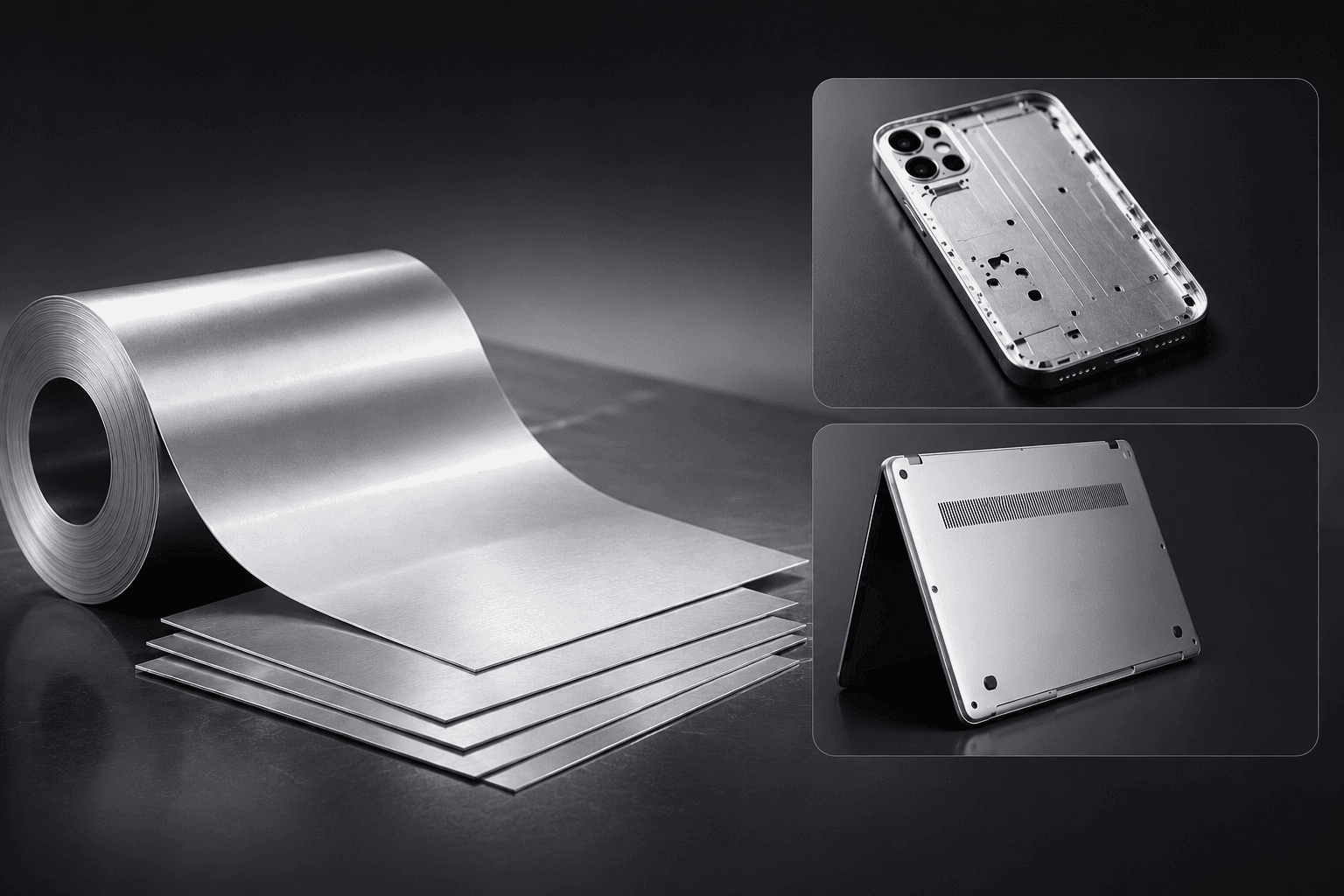
Magnesium plate, sheet, extrusion and die-cast parts can be evaluated for power-electronics and energy-system housings, frames and supports. Selection must satisfy thermal, electrical, fault-safety, corrosion, sealing and regulatory requirements.
Where can magnesium alloys be evaluated in power-electronics and energy systems?
Some enclosures, frames, covers and supports in energy-storage systems, charging equipment, inverters, power modules and industrial electrical equipment need lower mass while meeting stiffness, thermal, sealing, protection, grounding and assembly requirements. Magnesium alloys can be candidate structural materials, but the actual electrical, thermal, mechanical and environmental conditions must drive design and validation.
Common review directions include:
- inverter, converter and power-controller housings;
- charging equipment, portable-power and industrial power-supply enclosures;
- internal energy-system frames, brackets, covers and supports;
- lightweight structures for power-electronics modules;
- machined mounting plates, brackets and low-volume housings;
- custom extruded or die-cast enclosures suitable for the geometry and volume.
Magnesium is not a default substitute for cells, electrolytes, busbars, electrical insulation or active safety systems. The responsible system-design and regulatory team must confirm product suitability.
Product forms and manufacturing routes
| Product form | Sourcing direction to review | Critical inputs |
|---|---|---|
| Thick or medium plate | Prototype mounting plates, brackets, machined enclosures and structures | Alloy, temper, thickness, flatness, machining stock and quantity |
| Rolled sheet | Covers, shields and thin-wall formed parts | Thickness, tolerance, forming, seams, surface and protection |
| Extrusion | Rails, frames, long housings and custom sections | Section, wall thickness, straightness, cut length, machining and volume |
| Die-cast part | Complex housings, covers and supports for a suitable volume | Geometry, wall thickness, draft, tooling, inserts, defects and appearance |
| Welding wire | Engineered joining or repair procedures for magnesium alloys | Base material, joint, procedure qualification, inspection and service conditions |
Route selection should consider prototype quantity, annual demand, tooling, tolerances, secondary processing, surface treatment, assembly and validation.
What electrical and thermal inputs are required?
Thermal environment
State continuous and peak temperatures, heat-source locations, cycling, thermal interfaces, cooling method and allowable rise. Material thermal conductivity cannot replace complete thermal design and temperature validation.
Electrical requirements
Define grounding, shielding, creepage, clearance, insulation and separation from busbars or high-voltage components. A conductive metal enclosure must be reviewed together with insulation and protection design.
Fire and fault conditions
Provide applicable flame, thermal-runaway, venting, pressure-relief, smoke, fire-zone and fail-safe requirements. System hazard analysis and testing must determine whether a magnesium component is suitable.
Corrosion and media
List humidity, condensation, salt, coolant, cleaning agents, electrolyte-leak risk and outdoor exposure. Dissimilar-metal contacts, damaged coatings and liquid-trapping crevices require dedicated design.
Structure and assembly
State loads, vibration, shock, mounting points, fasteners, inserts, seals, connectors and maintenance. Threads and repeatedly serviced joints may require inserts or another reinforced interface.
Surface protection and dissimilar-metal management
When magnesium contacts steel, aluminum, copper or other conductive materials, galvanic-corrosion risk must be reviewed. The design may consider:
- insulating washers, coatings or sealants;
- drainage, ventilation and liquid-shedding geometry;
- controlled fasteners, inserts and grounding interfaces;
- conversion treatment, primer, coating or another project-specified system;
- coating-continuity and repair requirements after assembly.
The protection system must be selected against the substrate, environment, temperature, electrical function and customer validation.
Recommended project-review workflow
- Define the system boundary: describe the part’s function in the storage, power or power-electronics system.
- Submit drawings and conditions: include dimensions, loads, temperature, electrical, environmental and fault cases.
- Compare product routes: review machined plate, formed sheet, extrusion and die casting.
- Confirm interfaces: check fasteners, inserts, grounding, insulation, sealing and dissimilar-metal contacts.
- Define protection and inspection: list surface, dimensions, material records, appearance and documents.
- Plan prototypes and validation: agree on samples, first article, system tests and production approval.
RFQ checklist
- 2D drawings, 3D data and revision numbers;
- alloy, temper, product form and quantity;
- structural loads, vibration, shock and mounting;
- continuous/peak temperature, heat sources and cooling interfaces;
- voltage class, grounding, shielding, insulation and connectors;
- humidity, condensation, salt, coolant or other media;
- fire, venting, pressure-relief and fault-condition requirements;
- surface protection, appearance, sealing and packaging;
- sample, annual volume, inspection, documents and delivery plan.
Frequently asked questions
Is magnesium suitable for direct contact with cells or electrolyte?
Do not assume so. Provide the actual materials, media, temperature and exposure, and validate chemical compatibility, corrosion, protection and system safety.
Does a magnesium enclosure automatically meet electromagnetic-shielding targets?
No. Shielding depends on material, thickness, seams, openings, coatings, grounding and frequency range and must be tested against the system requirement.
Can cooling be designed from thermal conductivity alone?
No. Geometry, interfaces, contact resistance, heat sources, cooling method and environment also determine thermal performance. Complete system analysis and testing are required.
Who is responsible for regulatory approval of an energy-storage system?
The final system designer and responsible entity must confirm applicable regulations, standards, hazard analysis, tests and market access. A material-supply review does not replace system approval.
How do I start a material and route review?
Browse magnesium-alloy plate, extrusion and die-cast products and the automotive and EV application, then submit the system boundary, drawings and conditions through the contact page.