Magnesium Sacrificial Anodes for Cathodic Protection
Project-based material, size, steel-core and connection review for water heaters, tanks, pipelines and other steel structures
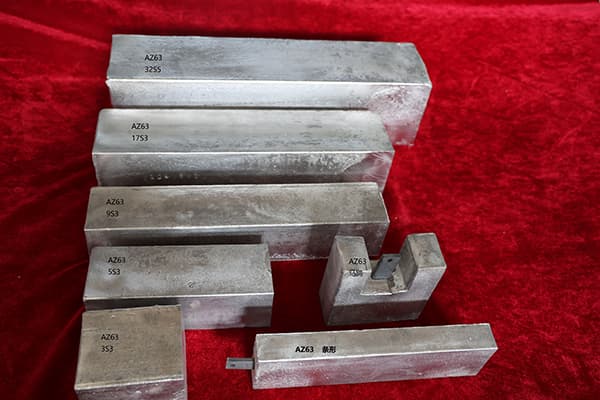
A magnesium sacrificial anode protects a connected steel structure by consuming preferentially. Selection must consider the electrolyte, resistivity, protected structure, target life, installation space and connection design—not weight or price alone.
Where are magnesium sacrificial anodes evaluated?
A magnesium sacrificial anode is electrically connected to a steel structure and consumes preferentially to provide cathodic protection. Whether it is suitable, how many anodes are required, how they should be distributed and how long they may operate must be determined from actual project conditions.
Common review scenarios include:
- water heaters and storage-water equipment;
- buried storage tanks;
- natural-gas and other metallic pipelines;
- engineered equipment and steel structures suitable for sacrificial-anode cathodic protection.
Projects involving potable water, unusual electrolytes, elevated temperature or regulated equipment require separate confirmation of material compliance, installation rules and acceptance criteria.
What information controls anode selection?
| Review area | Information to confirm |
|---|---|
| Protected structure | Material, dimensions, surface area, coating condition and connection points |
| Operating environment | Water, soil or other electrolyte, temperature, resistivity and site conditions |
| Design objective | Target protection life, maintenance approach, monitoring and acceptance requirements |
| Anode configuration | Shape, dimensions, installation space, steel core and connection drawing |
| Supply requirements | Quantity, inspection, packaging, schedule and lot requirements |
Anode selection should not be based on weight alone. The protected structure, electrolyte, resistivity, installation method, electrical connection and target life need to be reviewed as one design system.
Material system and customization boundary
Matrix Mg currently lists Mg-6Al-3Zn as the primary reference material system for this product. Final composition, condition, dimensions, shape, steel core and connection arrangement are confirmed by project.
The review may cover:
- anode dimensions and geometry from customer drawings;
- steel core, thread, wire or another connection arrangement;
- configuration changes for installation space and replacement access;
- inspection, packaging and transport-protection requirements.
Anode quantity, distribution and expected life should be calculated by qualified project personnel using actual site parameters. This page supports sourcing and technical communication; it does not replace the cathodic-protection design, installation or monitoring documents.
Recommended project-review workflow
- Define the protected asset: Identify the heater, tank, pipeline or other steel structure and its operating environment.
- Submit design inputs: Provide the electrolyte, temperature, resistivity, target life, available space and connection requirements.
- Review material and configuration: Confirm the material system, anode geometry, steel core, connection method and drawing revision.
- Agree inspection and acceptance: State dimensional, visual, material or project-specific acceptance requirements.
- Confirm supply scope: After the technical boundary is clear, review quantity, packaging, lead time and current quotation.
What should an RFQ include?
- application and protected structure;
- electrolyte, temperature, resistivity, soil or water conditions;
- anode dimensions, shape, steel core and connection drawing;
- target protection life, installation space and replacement method;
- quantity, inspection, packaging and schedule requirements.
Complete inputs make the material, configuration, supply and quotation review more effective.
Frequently asked questions
How does a magnesium sacrificial anode reduce corrosion?
When it is electrically connected to the steel structure, the magnesium alloy undergoes preferential electrochemical consumption and helps keep the protected structure cathodic. System performance depends on the complete material, electrolyte, connection, distribution and monitoring design.
Is Mg-6Al-3Zn suitable for every environment?
No universal selection should be assumed. Mg-6Al-3Zn is the current primary reference material system, while the final choice must be checked against the electrolyte, resistivity, temperature, structure and project specification.
How are anode dimensions and expected life determined?
Qualified project personnel calculate them from protected area, environmental parameters, current demand, utilization, installation method and target life. A generic weight comparison cannot provide a reliable life commitment.
Can the steel core and connection be customized?
Dimensions, steel-core details and connection drawings can be submitted for project review. Final manufacture and acceptance follow the mutually confirmed documentation.
How do I request a quotation?
Review the sacrificial-anode product specification, then use the contact page to submit the application, drawings, quantity, environment and acceptance requirements.