How to Choose Between AZ31B, AZ61A, and ZK60: A Procurement Guide for Wrought Magnesium Alloy Sheets and Profiles
A comparative analysis of AZ31B, AZ61A, and ZK60—evaluated across product form, strength, formability, machinability, surface protection, and supply stability—to help procurement and engineering teams establish a verifiable material selection pathway.
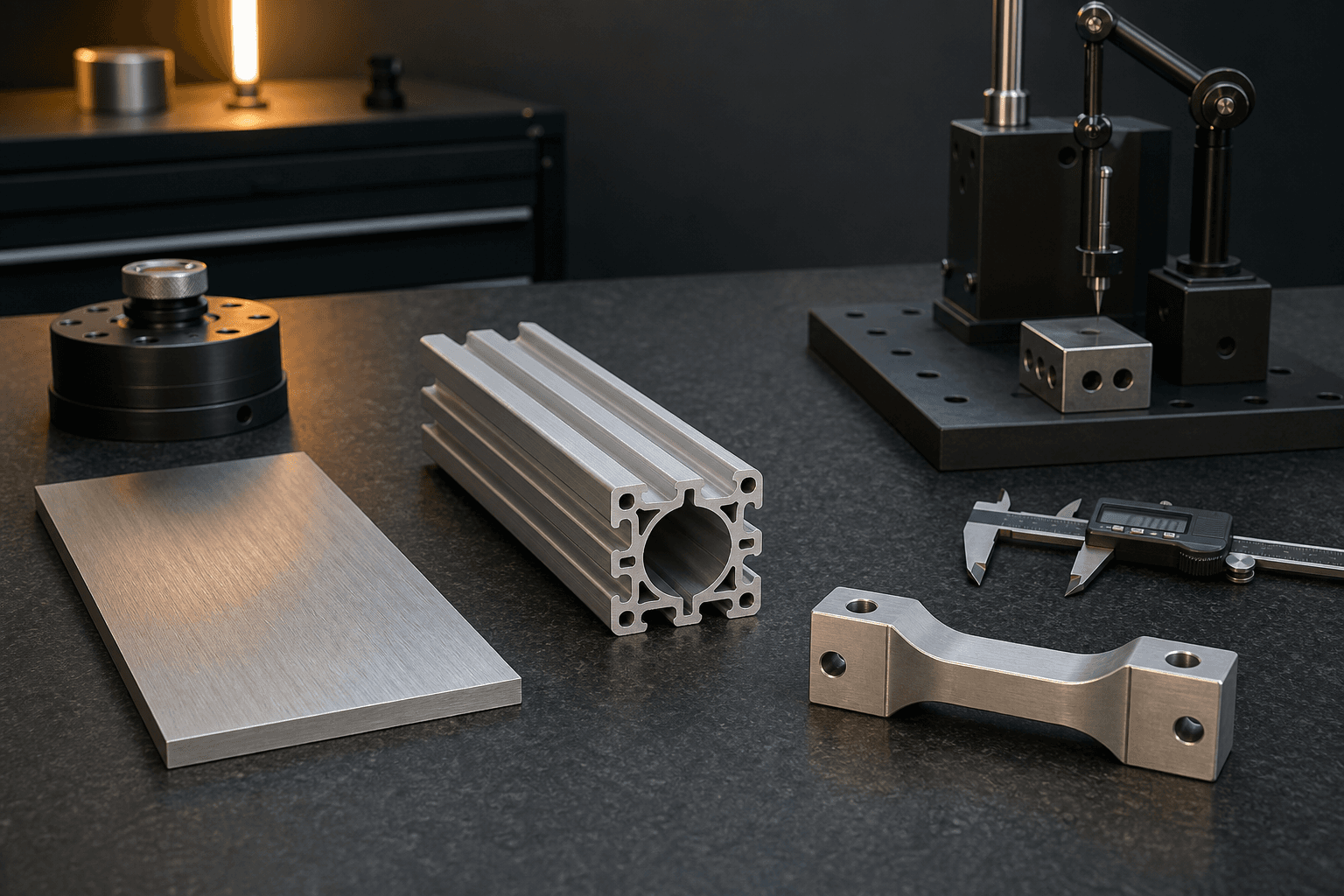
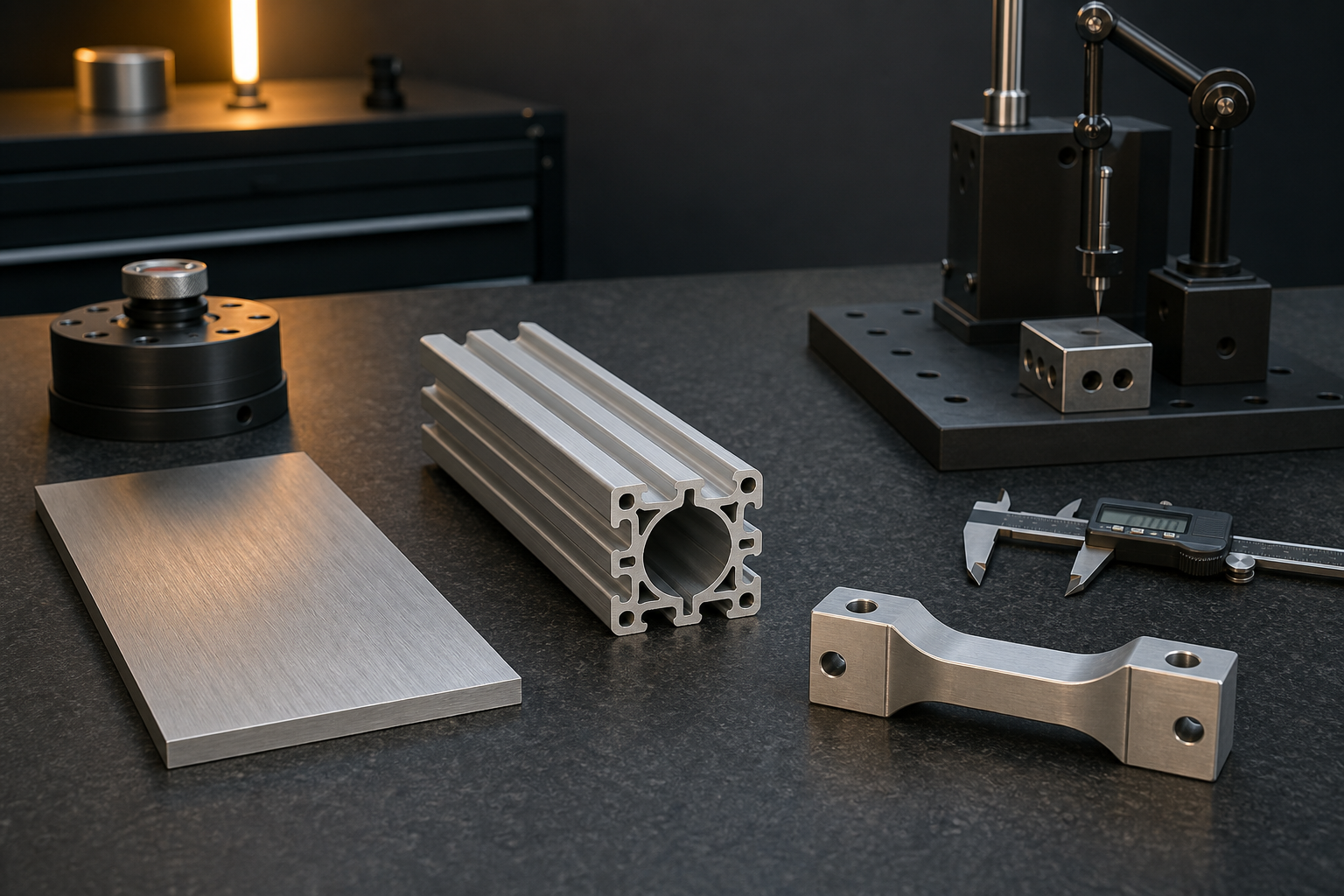
Magnesium alloy grades cannot be selected in isolation from product form. Even when pursuing the same objective—lightweighting—sheets, extruded profiles, and forgings follow vastly different processing routes, exhibit distinct anisotropic performance characteristics, and are delivered in different conditions. While AZ31B, AZ61A, and ZK60 are all commonly used in wrought magnesium alloy applications, they do not represent a simple low-, mid-, or high-tier hierarchy.
Key Takeaways
| Grade | Common Product Forms | Key Characteristics | Critical Verification Points |
|---|---|---|---|
| AZ31B | Thin/thick sheets, coils, extrusions | Mature supply chain; relatively favorable formability and weldability | Condition, directional properties, flatness, surface quality |
| AZ61A | Primarily extruded profiles | Typically higher strength than AZ31B; suitable for load-bearing cross-sections | Section complexity, straightness, weldability, corrosion protection |
| ZK60 | Extrusions, forgings, and other high-strength products | Outstanding specific strength potential—but demands stricter process control and protection | Supply capability, heat treatment condition, fatigue & corrosion validation |
The above outlines engineering screening guidance—not a performance guarantee for every batch. Final property values must be verified against applicable standards, supplier datasheets, and mill test reports.
Why “Correct Grade” Doesn’t Guarantee Right Selection
First, mechanical properties specified in material standards depend on thickness, condition, and sampling direction. A purchase order stating only “AZ31B sheet”—without specifying thickness, condition, and test direction—makes vendor quotations non-comparable.
Second, part failure modes matter more than peak tensile strength. Deep-drawn, bent, or secondary-formed housings prioritize formability window; long cantilevers or cyclically loaded structures require validation of fatigue resistance, stress concentration at joints, and surface defects.
Third, corrosion protection strategy significantly impacts total cost. Compatibility with dissimilar fasteners, exposure to humid environments, and exposed cut edges all affect service life. A lower raw material price does not equate to lower total cost after cleaning, conversion coating, painting, and assembly isolation.
Three Typical Decision Pathways
Need Sheets or Large Planar Components
Start by confirming available thicknesses, conditions, flatness, and surface quality for AZ31B. If parts require bending or warm forming, conduct trials using the target production batch—not generic datasheet values.
Require Long-Length Extruded Profiles
Both AZ31B and AZ61A are viable candidates. Whether AZ61A’s strength advantage justifies its use depends on stable extrudability of the section, achievable straightness, joint compatibility, and maturity of subsequent surface treatments.
Require Higher Load-Bearing Capacity
ZK60 is a high-strength candidate—but concurrently assess supply availability, sampling direction, heat treatment consistency, fatigue data, and corrosion protection protocols. For safety-critical structures, first-article and batch acceptance testing are mandatory.
At Minimum, Include These 9 Items in Your RFQ
- Applicable material standard and grade;
- Product form, dimensions, thickness, and quantity;
- Delivery condition or heat treatment state;
- Key mechanical properties and sampling direction;
- Geometric requirements (flatness, straightness, twist);
- Surface quality and allowable defects;
- Downstream processes (forming, welding, machining, surface treatment);
- Material certification, inspection reports, and traceability requirements;
- First-article, sample, and production batch acceptance criteria.
Frequently Asked Questions
Is AZ61A Always Better Than AZ31B?
No. Strength is only one parameter. When complex forming, weld stability, lead time, or surface finish are critical, AZ31B may deliver a more robust system-level solution.
Can ZK60 Directly Replace Aluminum Alloys?
Not based solely on strength and density. Stiffness, joining methods, corrosion behavior, temperature sensitivity, fatigue performance, and manufacturability must all be re-evaluated.
Should We Request Datasheets First—or Samples?
Both are essential. Datasheets support initial screening; samples and process trials validate real-world manufacturability.
If you’re evaluating magnesium alloy sheets, extruded profiles, or high-strength wrought magnesium alloys, explore our Product Portfolio first—then share your drawings, operating environment, and inspection requirements with our engineering team for a tailored assessment.
Sources
ASTM B90/B90M — Magnesium-Alloy Sheet and Plate ASTM B107/B107M — Magnesium-Alloy Extruded Bars, Rods, Profiles, Tubes, and Wire