Magnesium Dust Safety: A Practical Guide for Machining and Finishing
A practical buyer’s guide to magnesium chip and dust safety: hazard analysis, source capture, ignition control, metal-specific collection, storage and emergency planning.
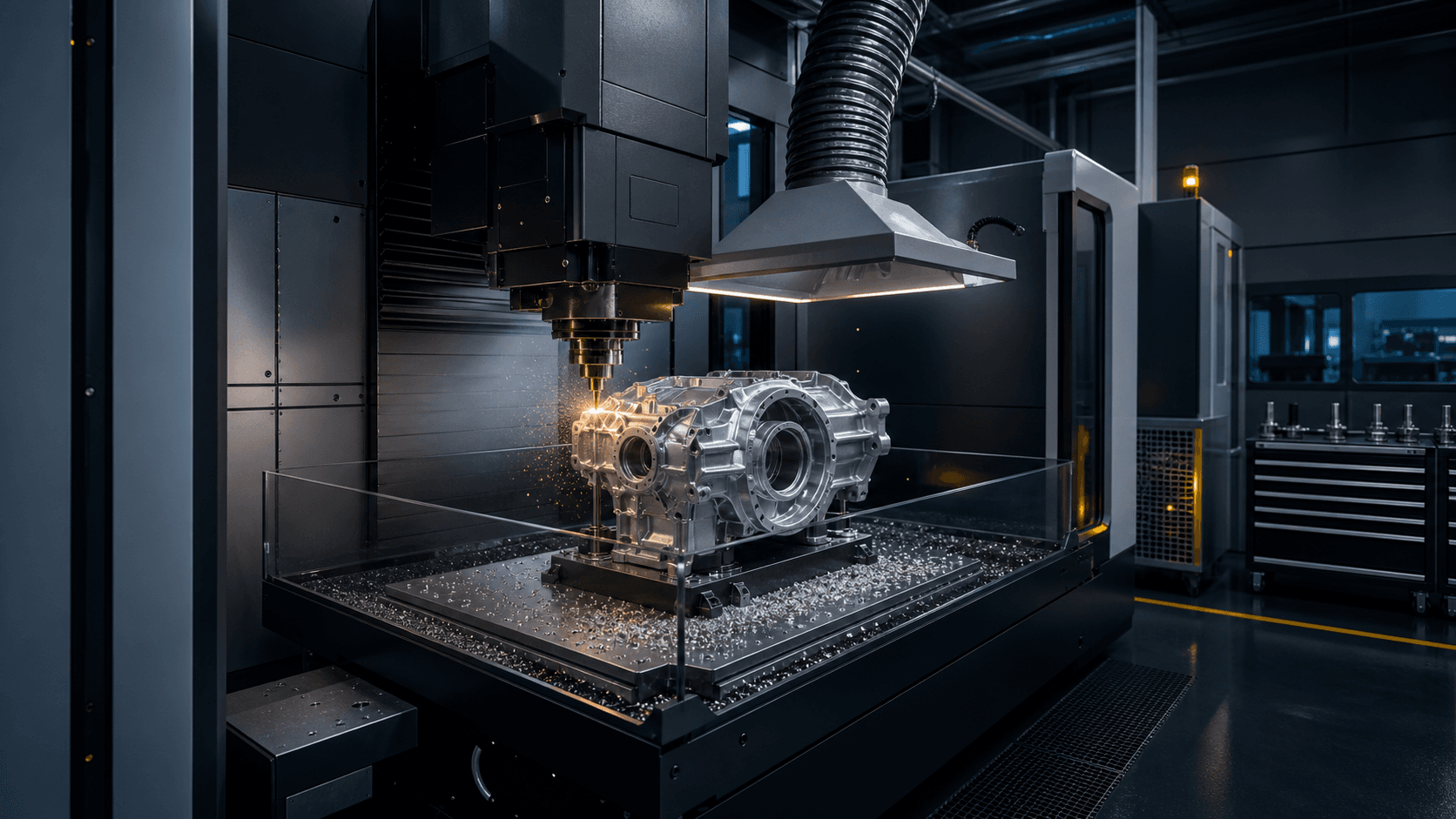
Why magnesium dust requires a process-specific risk assessment
Solid magnesium alloy parts are not handled in the same way as fine chips, grinding dust or polishing fines. When combustible metal dust becomes dispersed in air, an ignition source and confinement can produce a flash fire or explosion. OSHA specifically lists magnesium among metals that can present a combustible-dust hazard.
Risk depends on the actual material and process: alloy chemistry, particle size and shape, dust concentration, moisture, collection method, equipment geometry and ignition energy. A generic checklist cannot replace a documented dust hazard analysis performed by qualified EHS and fire-protection specialists.
The control hierarchy for magnesium machining and finishing
1. Prevent dust release and accumulation
Use enclosed capture as close as practical to cutting, grinding or polishing. Keep floors, beams, ducts and concealed surfaces from accumulating fines. Do not use compressed air or dry sweeping where it can disperse dust. Housekeeping methods, collection frequency and disposal routes should be written into the operating procedure.
2. Control ignition sources
Evaluate bonding and grounding, static control, hot-work permits, bearing temperatures and electrical equipment classification. Separate spark-producing work from combustible-metal handling. Equipment selection must follow the hazardous-area classification and local electrical and fire codes.
3. Engineer the collection system for the actual metal
Do not connect magnesium dust to a general-purpose dust collector or mix it with incompatible dusts. Wet collection may be used in some magnesium operations, but only in a system specifically engineered for water-reactive combustible metals, with controls for hydrogen generation, sludge management and ventilation. Dry collection also requires metal-specific explosion and fire protection. The correct design must come from a qualified specialist and the applicable standard—not from a universal “wet versus dry” rule.
4. Manage chips, fines and sludge separately
Large dry chips, fine dust and wet collector sludge have different hazards. Use compatible, labeled containers and defined storage limits. Prevent unintended mixing with oxidizers, acids, other metal dusts or ordinary waste. Disposal should follow the safety data sheet, local environmental rules and an approved waste procedure.
Fire response: plan before an incident occurs
Facilities should develop an emergency response plan with the local fire service. Workers must know how to raise the alarm, isolate equipment and evacuate. Extinguishing agents must be selected for the specific combustible metal and validated by the fire-protection professional and extinguisher manufacturer. Water, foam, carbon dioxide or an unsuitable dry chemical can worsen some combustible-metal fires. Personnel should not improvise with unapproved agents or attempt firefighting beyond their training.
RFQ and supplier-review questions
When a project creates magnesium chips or dust, ask:
- Which operations generate fines, and what particle-size information is available?
- Has a dust hazard analysis been completed for the process?
- How are dust capture, housekeeping, grounding and hot work controlled?
- Are chips, dust and sludge segregated and documented?
- Which standards and local authority requirements govern the facility?
- What emergency procedures, training and inspection records apply?
For part design and manufacturing-route review, see our magnesium die-casting parts page or contact Matrix Mg with drawings, alloy requirements, annual volume and finishing steps.
This article provides general procurement and design-review information. It is not a substitute for a site-specific hazard analysis, legal advice, or instructions from the authority having jurisdiction.
Sources
OSHA, Combustible Dust: An Explosion Hazard — https://www.osha.gov/combustible-dust OSHA, Hazard Communication Guidance for Combustible Dusts — https://www.osha.gov/publications/3371combustible-dust OSHA 29 CFR 1910.399, hazardous-location definitions — https://www.osha.gov/laws-regs/regulations/standardnumber/1910/1910.399 OSHA Technical Manual, Section IV Chapter 6: Combustible Dusts — https://www.osha.gov/sites/default/files/otm_secIV_chap6.pdf U.S. Chemical Safety Board, Combustible Dust Hazard Investigation — https://www.csb.gov/combustible-dust-hazard-investigation/ NFPA 660, Standard for Combustible Dusts and Particulate Solids (consult current edition and local adoption)