Magnesium Alloys for Robotics and Automation Equipment
Material and sourcing review for robot structures, end effectors, mobile platforms, sensor housings and automation frames
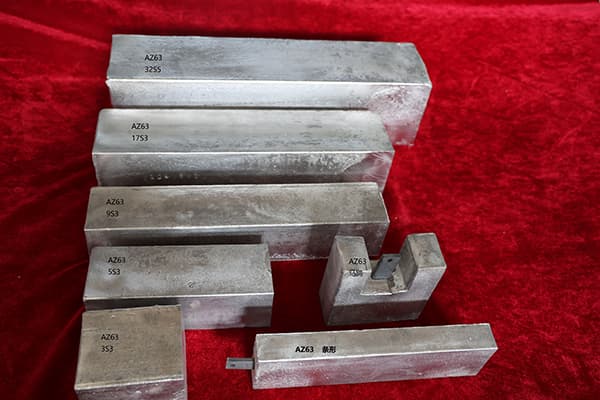
Magnesium plate, sheet, extrusion and die-cast parts can be evaluated for robotics and automation when moving mass, stiffness, fatigue, joints, thermal conditions, environment and machine safety are defined.
Where can magnesium alloys be evaluated in robotics and automation?
Robots, end effectors, mobile platforms and automation equipment often benefit from lower moving mass, but material selection must still satisfy stiffness, fatigue, impact, joint, thermal, electrical and safety requirements. Magnesium alloys can be evaluated for selected housings, frames and structural parts when the complete duty cycle and interfaces are known.
Common review directions include:
- robot-arm covers, link housings and internal frames;
- end-effector bodies, gripper structures and tool-change components;
- autonomous mobile robot and inspection-platform enclosures;
- machine-vision, sensor and control-equipment housings;
- lightweight fixtures, brackets and moving tooling;
- custom extruded rails, beams and equipment frames;
- die-cast housings suitable for the geometry and production volume.
Lower density does not automatically produce a better robot. Reduced mass must be balanced against section stiffness, joint design, vibration, wear, serviceability and the control system.
Product forms and sourcing routes
| Product form | Robotics and automation direction | Key RFQ inputs |
|---|---|---|
| Thick or medium plate | Machined prototypes, brackets, base structures, fixtures and end-effector bodies | Alloy, temper, thickness, flatness, machining stock and quantity |
| Rolled sheet | Covers, guards, sensor shields and formed enclosures | Thickness, forming, seams, surface protection, appearance and volume |
| Extrusion | Rails, frames, beams, long housings and custom structural sections | Section, wall thickness, straightness, cut length, machining and joining |
| Die-cast part | Complex covers, housings and structural parts for a suitable volume | Geometry, wall thickness, draft, tooling, inserts, appearance and inspection |
| Welding wire | Qualified joining or repair procedures | Base material, joint, duty, procedure qualification and inspection |
The selected route should match prototype needs, annual volume, tooling, tolerances, secondary operations and validation.
Motion, stiffness and fatigue inputs
Moving mass and inertia
Identify which parts move, their distance from the joint, acceleration, deceleration, payload and cycle time. Weight reduction near the end of an arm can affect inertia differently from weight reduction at the base.
Stiffness and positioning
Provide deflection limits, positioning repeatability, natural-frequency concerns and control-system sensitivity. Section geometry often matters as much as the elastic modulus.
Duty cycle and fatigue
State load direction, peak and mean load, cycle count, shock, emergency-stop events and misuse conditions. Fatigue design must include stress concentrations, joints, surface condition and manufacturing route.
Joint and wear interfaces
Define bearings, bushings, threads, gears, slides, tool changers and repeatedly serviced fasteners. Wear surfaces or high-cycle threads may require inserts, bushings, replaceable interfaces or another material.
Thermal, electrical and environmental requirements
Motors, drives, batteries, brakes and electronics can introduce localized heat. Provide continuous and peak temperatures, heat paths and cooling interfaces.
For control or sensor housings, define grounding, electromagnetic shielding, connectors, cable entries and electrical isolation. Shielding performance must be tested at system level.
List humidity, washdown, oils, coolants, cleaners, dust, salt, outdoor exposure and dissimilar-metal contacts. The surface-protection and sealing system must be chosen for the actual environment.
Safety and validation boundaries
Magnesium-alloy selection does not replace machine-safety analysis, guarding, functional-safety design or regulatory approval. The responsible machine builder must validate:
- structural strength and fatigue through the full duty cycle;
- collision, impact, emergency-stop and overload conditions;
- safe retention of payloads and tools;
- thermal and fire-related hazards;
- electrical grounding, insulation and electromagnetic behavior;
- coating, corrosion, cleaning and maintenance performance;
- failure detection, service intervals and replacement criteria.
Recommended sourcing workflow
- Define part function: identify moving or stationary use, payload, motion and interfaces.
- Submit controlled geometry: provide drawings, 3D data and critical dimensions.
- Describe the duty cycle: include loads, speed, acceleration, cycles, impact and environment.
- Compare routes: evaluate machined plate, formed sheet, extrusion and die casting.
- Review joints and protection: confirm bearings, inserts, fasteners, grounding, sealing and coating.
- Plan prototypes and tests: define sample, measurement, functional validation and production approval.
RFQ checklist
- robot or automation-equipment function;
- controlled 2D drawing, 3D data and revision;
- alloy, temper, product form and quantity;
- moving mass, payload, acceleration, load and duty cycle;
- stiffness, deflection, vibration and positioning requirements;
- joints, bearings, threads, inserts and wear interfaces;
- motors, heat sources, electronics, grounding and shielding;
- environment, cleaning, corrosion, sealing and surface protection;
- sample, annual volume, tooling, inspection, documents and schedule.
Frequently asked questions
Does lower density always improve robot performance?
No. Lower mass can reduce inertia, but stiffness, vibration, fatigue, joint behavior, thermal conditions and control tuning must meet the actual duty cycle.
Can magnesium be used for a robot arm?
It can be evaluated for selected links, housings or covers when geometry, loads, fatigue, joints, impact, environment and validation are defined. It is not a universal replacement for every arm component.
How should threaded joints be designed?
Thread performance depends on alloy, engagement, load and service cycles. Repeatedly serviced or highly loaded joints may require inserts or another reinforced interface.
Is die casting suitable for automation housings?
It can be suitable for parts and volumes that justify tooling and meet wall-thickness, tolerance, finishing and inspection needs. Prototype and production routes should be compared.
How do I request a material-route review?
Browse magnesium plate, extrusion and die-cast products and the industrial tools application, then submit the drawing and duty cycle through the contact page.